So Many New Additions to PostBeeld’s Stock

 PostBeeld owner Rob Smit is constantly busy seeking out opportunities to add stamps to the enormously varied stock held at the four PostBeeld stores dotted around Holland.
Always on the lookout to buy-in interesting collections at auction houses or directly from people wishing to sell, he fervently strives to provide what his customers might be looking for.

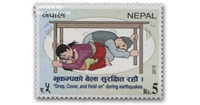 One can only imagine the horror of experiencing an earthquake. And millions of people live in areas where the possibility of having that experience is great.
 On July 14, 1956 the company Clípol was founded in Andorra, the tiny independent principality situated between France and Spain in the Pyrenees mountains. It’s known for its ski resorts and for its tax-haven status that encourages duty-free shopping. The company’s name came from a combination of the names of the owners: Clement Travesset and brothers John and Henry Pol. They previously ran a taxi service, but then decided to start a bus service. To begin, they bought three Mercedes ‘minibus’ vehicles, which quickly became icons in the Principality.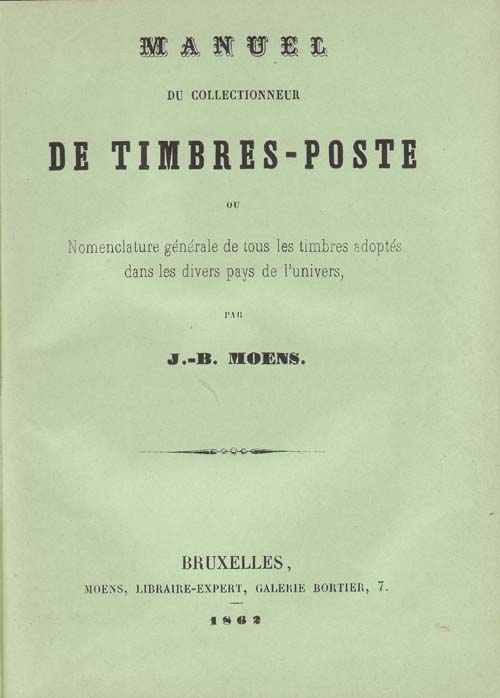
 In the late 1970s a fascinating series of articles written by Mr. K. Kouwenberg about the history of Stamp Collecting, appeared in the Dutch magazine Philatelie. This series has been the source of inspiration for PostBeeld owner Rob Smit to rewrite the history of stamp collecting in instalments. This is Part 16.
 Well, 2016 has certainly provided surprises on both sides of the Atlantic Ocean in the world of politics.
 The first day of October 1969 saw the inauguration of two new stamp issuing authorities, represented at the Universal Postal Union by what was then known as the British Post Office.
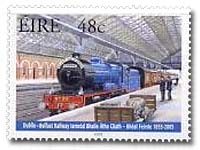 2005 was the 150th anniversary of the completion of the vital rail link between Dublin in Eire (Southern Ireland) and Belfast, the capital city of Northern Ireland. An Post (the Irish Post Office) commemorated the event with a set of four stamps, a prestige booklet and a miniature sheet.

 September 2nd, 2016 was the 350th anniversary of the outbreak of the 1666 Great Fire of London. The fire destroyed four-fifths of the City – nearly all of the civic buildings and around 13,000 private houses. Amazingly there were only six reported deaths.
 Commonly recognised for having a particular sense of humour, one British institution – the ‘saucy postcard’ – was in 1994 celebrated by the issuance of a set of stamps by Royal Mail to commemorate 100 years of the genre. Guaranteed to be found at virtually every coastal resort in Britain, their popularity never seems to wane.